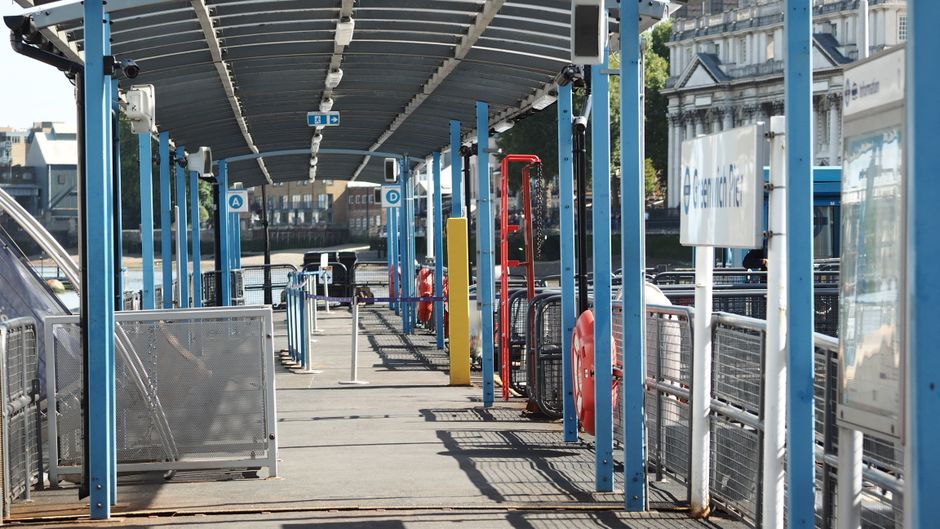
Woolwich Ferry bulky rubbish drop off and removal SE18
If you are staring at a pile of old furniture, broken appliances, builder's leftovers, or a garage full of odds and ends, the whole thing can feel oddly bigger than the room itself. Woolwich Ferry bulky rubbish drop off and removal SE18 is really about getting that clutter moved on in the safest, quickest, least stressful way. Some people want a simple drop-off option. Others need a full collection from the property. Either way, the goal is the same: clear the space without turning your week upside down.
This guide walks through how bulky rubbish clearance works in SE18, what to expect, what to avoid, and how to decide between drop off, collection, reuse, recycling, or a full removal service. It is written for everyday situations, not perfect ones. Because let's face it, most bulky rubbish jobs happen when life is already busy enough.
Quick summary: bulky rubbish in Woolwich Ferry and across SE18 usually falls into one of three routes: you transport it yourself, arrange a collection, or book a clearance service that handles lifting, loading, and disposal for you. The best option depends on item type, access, time, and how much lifting you want to do yourself.
Table of Contents
- Why Woolwich Ferry bulky rubbish drop off and removal SE18 Matters
- How Woolwich Ferry bulky rubbish drop off and removal SE18 Works
- Key Benefits and Practical Advantages
- Who This Is For and When It Makes Sense
- Step-by-Step Guidance
- Expert Tips for Better Results
- Common Mistakes to Avoid
- Tools, Resources and Recommendations
- Law, Compliance, Standards, or Best Practice
- Options, Methods, or Comparison Table
- Case Study or Real-World Example
- Practical Checklist
- Conclusion
- Frequently Asked Questions
Why Woolwich Ferry bulky rubbish drop off and removal SE18 Matters
Bulky rubbish is more than an eyesore. It blocks hallways, eats storage space, and can quickly become a safety issue if sharp edges, heavy items, or damaged materials are left lying around. In SE18, where many homes and flats are tight on space, that matters even more. A sofa wedged in a corridor or a broken wardrobe in a shared stairwell is not just annoying; it can make day-to-day living awkward and, in some cases, unsafe.
There is also the practical side. Bulky waste can be hard to move, and if you do not plan it properly, you can end up with multiple trips, missed collection windows, or a van that is too small. That is where the decision between drop off and removal becomes important. Do you have the time and transport to move the items yourself? Or would a collection team be the better fit? It sounds simple, but when you are actually in the middle of it, the choice can feel like a small puzzle.
For local households, landlords, tradespeople, and businesses, the right disposal route can save time and reduce mess. It can also improve recycling outcomes, especially when items are sorted before collection. If your job involves a wider tidy-up, services such as waste removal or a more tailored home clearance approach may be a better fit than trying to move everything yourself.
There is one more reason this topic matters: bulky waste often contains mixed materials. Wood, metal, foam, textiles, electrical parts, and occasionally items that need special handling can all end up in the same pile. Sorting them properly is not glamorous, but it makes a real difference.
How Woolwich Ferry bulky rubbish drop off and removal SE18 Works
In plain English, bulky rubbish clearance usually works in one of two ways. Either you take the items to a suitable drop-off point yourself, or a clearance team collects them from your property and handles the heavy lifting. Both routes can work well, but they suit different situations.
Drop off is usually best when you have a vehicle, the waste is already bagged or dismantled, and you are comfortable loading it. Removal is better when the items are large, awkward, or too heavy to shift safely. Think wardrobes, mattresses, broken desks, white goods, old shelving, garden furniture, or a stack of refurbishment leftovers. You know the sort of thing: one item becomes three, then somehow six.
For larger jobs, a structured clearance service is often easier. A team can arrive, assess access, load the items, and remove them in one visit. If the job includes furniture, then a page like furniture clearance or furniture disposal may be relevant depending on whether the items are being reused, recycled, or broken down for disposal.
In practical terms, the workflow is usually:
- Identify what needs removing.
- Separate bulky items from general household waste.
- Check whether anything needs special handling.
- Decide whether you are dropping off, arranging a collection, or booking a full clearance.
- Prepare access, lifting routes, and parking if needed.
- Make sure the waste goes to the right destination, not just the nearest convenient one.
Some jobs are straightforward. Others are a bit more fiddly. For instance, a flat clearance in SE18 with a lift, narrow staircase, and a sofa that will not fit through the door is a very different prospect from shifting a few garden chairs from a driveway. This is where local experience helps, because the real world is full of awkward angles.
Key Benefits and Practical Advantages
The biggest benefit is time. Bulky waste is slow to handle if you do it yourself. Even one mattress can become a nuisance if you do not have the right vehicle or enough hands. A professional removal service reduces the stop-start process and gets the job done in a single sweep.
Another benefit is safety. Heavy or awkward items are a common cause of strained backs, scrapes, and damaged walls. If you have ever tried to carry a wardrobe down a tight stairwell, you will know exactly what I mean. It does not go gracefully. A team that is used to lifting and loading knows how to angle items, protect surfaces, and move with less drama.
There is also flexibility. Not every bulky rubbish job is the same. A landlord clearing left-behind furniture needs a different approach from a homeowner emptying a loft. A business might need regular business waste removal, while a decorator may need builders waste clearance after a small refurbishment. The job should fit the waste, not the other way around.
Other practical advantages include:
- less disruption to the property
- clearer sorting for recycling and reuse
- better handling of bulky or fragile loads
- fewer return trips
- less stress for people who do not want to do the lifting themselves
And yes, there is a mental benefit too. A cleared room feels different. Quieter. Lighter. Like you can breathe again.
Who This Is For and When It Makes Sense
This service is useful for a wide range of people in and around SE18. Some need a one-off drop off for a few bulky items. Others need full removal after a move, renovation, or serious declutter. The common thread is usually lack of space, lack of transport, or lack of time.
You might need Woolwich Ferry bulky rubbish drop off and removal SE18 if you are:
- moving out and need to clear unwanted items fast
- preparing a rental property for new tenants
- clearing a garage, shed, loft, or spare room
- replacing furniture and need the old pieces gone
- managing office furniture or storage clutter
- dealing with post-renovation waste and broken materials
For flats, the access issue often decides everything. A single bulky item can be manageable in theory, but in a real building with limited parking and tight corners, the removal route may simply be the smarter option. If you are working through a flat or shared property, see whether flat clearance is more appropriate than separate item-by-item removal.
Sometimes the right answer is not immediate removal. If the items are reusable, reusable furniture should be diverted where possible. If they are damaged but still mostly intact, a specialist approach may still help. For larger domestic clear-outs, house clearance or garage clearance can be more efficient than piecing together several different visits.
Truth be told, a lot of people wait too long. They live around the pile for months, then suddenly need the space back by Friday. It happens more than you would think.
Step-by-Step Guidance
If you want a smoother bulky rubbish job, a simple plan helps. Nothing complicated. Just enough structure to avoid the usual faff.
- List everything you want removed. Be specific. A "sofa" is different from a sofa bed. A "desk" might be flat-pack, solid wood, or built in.
- Separate item types. Keep furniture, appliances, garden waste, and building debris apart where you can. It makes sorting easier later.
- Check for special items. Fridges, freezers, screens, and anything with electrical components may need particular handling. If you are dealing with household appliances, the fridge and appliance removal page is useful to review.
- Decide between drop off and collection. If you can safely transport it, drop off may suit. If not, collection is usually less hassle.
- Measure access. Doorways, staircases, lift sizes, parking, and loading space all matter. This is the bit people forget until the item is halfway out and stuck.
- Ask about recycling and disposal. Good providers separate reusable and recyclable materials where possible. That is not just tidier; it is better practice.
- Book a time that gives you breathing room. Avoid rushing if you can. A bit of daylight and a clear hallway make life easier.
If the job includes mattresses or sofas, check whether those items need to be handled separately. A page like mattress and sofa disposal can help you think through the practical side before booking. It sounds obvious, but the oddest delays often come from the biggest, softest items.
When the waste is sensitive or personal, such as documents from a home office, it may be sensible to use confidential shredding alongside clearance. That keeps the job neat and avoids a second trip. Handy, really.
Expert Tips for Better Results
Here is the part people often skip, and then wonder why the day gets messy.
Tip 1: Take photos before booking. A few clear photos of the items and the access route give a much better picture than a vague description. You do not need a magazine spread. Just honest, well-lit shots.
Tip 2: Dismantle where sensible. Flat-pack furniture, bed frames, and shelving are often easier to move in pieces. If a job can be reduced from "awkward" to "manageable" in ten minutes, that is usually worth it.
Tip 3: Keep fragile surfaces protected. If you are moving items through narrow spaces, cover corners and glass where possible. A little care prevents that horrible scraping sound. Everyone knows that sound.
Tip 4: Separate waste by type before the crew arrives. Not because you have to make it perfect, but because it speeds up the process. Wood with wood, metal with metal, appliances together, soft furnishings together. Simple stuff.
Tip 5: Ask about recycling and sustainability. Responsible disposal matters. If you want to understand how your waste is handled, the site's recycling and sustainability page is a sensible place to start.
Tip 6: Plan around access and neighbours. In SE18, parking and shared entrances can affect timing. A quiet early-morning slot may work better than a busy afternoon if the building is lively. Sometimes that tiny scheduling choice makes the day feel half as hard.
And one small human tip: keep water nearby. Clearing bulky waste always looks easy until you are on item number seven and the air feels warmer than expected.
Common Mistakes to Avoid
Most bulky rubbish problems come from a few repeat mistakes. The good news? They are easy to avoid once you know them.
- Underestimating the size of the load. What looks like "a few items" can fill a van quickly.
- Not checking item weight. Heavy items need proper lifting and may require more than one person.
- Leaving everything mixed together. Mixed loads slow things down and can make recycling harder.
- Forgetting about access restrictions. Low bridges, tight entrances, and limited parking can all affect collection.
- Assuming all bulky waste is the same. A broken wardrobe and a fridge are not handled the same way.
- Booking too late. If you need the space for a move or renovation, leave some buffer time.
One especially common mistake is keeping hold of items "just in case" and then paying to remove them later in a rush. If you are honest with yourself, you probably know which chair is never coming back into fashion.
Another is choosing the cheapest option without checking what is included. A low headline price can be fine, but only if it covers lifting, transport, disposal, and the actual amount of waste you need moved. The details matter. They really do.
Tools, Resources and Recommendations
You do not need much to organise bulky rubbish properly, but a few practical tools make the process easier.
- Tape measure: useful for checking whether large furniture will fit through doors, lifts, or stairwells.
- Phone camera: helps you record the volume and type of waste before booking.
- Marker labels: handy for separating items into keep, recycle, and remove piles.
- Gloves and sturdy footwear: basic safety gear, nothing fancy.
- Flat-pack tools: an Allen key, screwdriver, or small drill can help dismantle furniture more quickly.
For planning a mixed household clear-out, the following pages can also be useful depending on what you need to remove: loft clearance for storage spaces, office clearance for workspaces, and garden clearance for outdoor waste. Each one fits a different type of clutter, which sounds obvious but saves a lot of back-and-forth.
If pricing is on your mind - and fair enough, it usually is - check the pricing and quotes page before you book. A clear quote process helps you compare like with like, not apples with oranges.
For readers who like to understand the business behind the service, the about us page can give a better sense of the company approach and values. It is a small thing, but it matters when you are letting a team onto your property.
Law, Compliance, Standards, or Best Practice
Bulky rubbish disposal in the UK should be handled carefully. While the exact rules can vary depending on the item type and the disposal route, the broad best practice is consistent: waste should be moved, stored, and processed responsibly, and duty of care should be taken seriously.
For everyday household items, this usually means avoiding fly-tipping, using reputable collection or disposal routes, and making sure any items with special handling needs are separated properly. Electrical equipment, fridges, freezers, and certain materials may need specific processes. Hazardous or awkward waste should never be treated casually just because it is "only one item". That is where problems creep in.
If your bulky rubbish includes something that could be hazardous, do not guess. Review the situation carefully and use a service that understands the handling requirements. The hazardous waste disposal page is the right starting point if you suspect anything unusual, damaged, or potentially harmful is involved.
Best practice also means protecting people and property during the removal. That includes manual handling care, sensible loading, appropriate vehicle use, and proper disposal records where relevant. The pages on health and safety policy and insurance and safety are useful trust signals because they show the service takes safe working seriously, not as an afterthought.
For trade and construction waste, using the right disposal route is especially important. Builder's debris, timber, plasterboard, old fittings, and mixed renovation waste should be kept separate where possible. A small mistake there can create delays or additional handling, and nobody wants that on a busy site.
Options, Methods, or Comparison Table
Here is a practical comparison of the main ways to deal with bulky rubbish in SE18.
| Option | Best for | Pros | Trade-offs |
|---|---|---|---|
| Self drop off | Smaller loads, vehicle access, DIY-minded households | Can be straightforward, flexible, useful for one-off runs | You do the lifting, loading, and transport yourself |
| Bulky item collection | Sofas, wardrobes, mattresses, appliances, awkward single items | Less physical effort, quicker for heavy items | Needs clear access and a booked time |
| Full clearance service | Rooms, flats, houses, garages, lofts, offices | Most convenient, best for mixed loads and larger jobs | May cost more than moving a single item yourself |
| Specialist item disposal | Appliances, confidential material, hazardous or delicate items | Safer handling, better compliance, more suitable processes | Requires correct identification and sometimes separate booking |
If your job is furniture-heavy, the choice often comes down to convenience versus control. If you want everything gone in one visit, a wider house clearance or furniture clearance route can simplify things. If it is just one fridge and a sofa, a narrower disposal approach may be perfectly fine.
Case Study or Real-World Example
Imagine a second-floor flat in SE18 after a long-overdue refresh. There is an old sofa, a broken bookcase, a mattress, two office chairs, and a fridge that stopped working sometime last winter. The hallway is narrow. Parking is not ideal. The resident has a job, a school run, and absolutely no wish to turn the weekend into a lifting competition.
In that kind of situation, a drop-off plan sounds tempting at first. But once the items are measured and the access checked, it becomes clear the sofa and fridge are the real problem. They are bulky, awkward, and likely to snag on corners. A removal service is the easier route. The smaller items could still be grouped into a separate load, but the heavy pieces need proper handling.
What usually helps most in cases like this is simple preparation:
- the resident sends a few photos
- the items are grouped together before arrival
- the fridge is kept separate from soft furnishings
- the route from flat to vehicle is cleared in advance
The result is not just speed. It is calm. The room empties, the noise drops, and suddenly the flat feels twice the size. Nothing dramatic. Just a better day.
For jobs like this, it can also be useful to review the service details on book online if you want to arrange a visit without too much back-and-forth. Simple, really.
Practical Checklist
Use this checklist before arranging bulky rubbish drop off or removal in Woolwich Ferry and SE18.
- Confirm exactly which items are going.
- Separate general rubbish from bulky items.
- Identify anything that needs special handling.
- Measure doorways, stairwells, lifts, and access routes.
- Check parking or loading restrictions near the property.
- Take photos of the load for planning.
- Decide whether drop off or collection is more practical.
- Ask about recycling, reuse, and disposal methods.
- Keep pathways clear before the team arrives.
- Have payment and booking details ready if needed.
If the job is part of a bigger tidy-up, you may also want to consider garage clearance, loft clearance, or office clearance rather than tackling everything piecemeal. One good decision now can save a lot of dragging things around later.
And if you are comparing providers, the terms and conditions page is worth a look. Boring? Maybe. Useful? Absolutely.
Get a free quote today and see how much you can save.
Conclusion
Woolwich Ferry bulky rubbish drop off and removal SE18 is really about choosing the cleanest, safest, most practical route for the mess you need to clear. Sometimes that means loading a few items yourself and making a direct drop off. Sometimes it means booking a proper removal and letting someone else deal with the awkward lifting, parking, and sorting. There is no single right answer for every household or business.
The best approach is usually the one that fits the size of the load, the access at the property, and how much time you have to spare. If you plan a little, check your item types, and avoid the obvious mistakes, the whole process becomes much less stressful than people expect. And once the space is clear, you notice it straight away. The room feels easier to use. The air feels lighter. Simple as that.
If you are ready to move from cluttered to clear, take the next step with confidence. A little planning goes a long way, and getting the bulky stuff out of the way can be oddly satisfying, in the best possible way.
Frequently Asked Questions
What counts as bulky rubbish in SE18?
Bulky rubbish usually means large household or commercial items that are awkward to carry, too big for normal bins, or difficult to transport in an ordinary vehicle. Sofas, wardrobes, mattresses, desks, white goods, and large broken items all fit that description.
Is drop off better than collection for bulky waste?
Drop off can be fine for smaller loads if you have the right vehicle and can safely load the items yourself. Collection is better when the waste is heavy, bulky, or difficult to move. In practice, the easier option is often the one that saves your back.
Can I mix furniture and general rubbish together?
You can sometimes have mixed loads removed, but it is usually better to separate furniture, appliances, garden waste, and general rubbish before booking. It helps with pricing, handling, and recycling. A mixed pile also makes life harder for the people doing the loading.
Do fridges and freezers need special disposal?
Yes, they often do. Fridges and freezers may contain components or materials that need appropriate handling, so they should not be treated like ordinary rubbish. If you have one to remove, it is sensible to arrange the correct type of collection.
How do I know whether I need a full clearance service?
If you are clearing more than a few large items, or if the job involves multiple rooms, stairs, shared access, or a tight deadline, a full clearance service is often the most practical choice. It is especially useful for flats, houses, lofts, and garages.
What if my bulky rubbish includes a mattress or sofa?
Mattresses and sofas are common bulky items, but they can be awkward to move and dispose of properly. They often benefit from a dedicated disposal route, especially if the property access is narrow or the items are heavy and worn.
Can bulky waste be recycled?
Often, yes. A lot depends on what the item is made of and how it is handled. Wood, metal, textiles, and some appliance components may be separated for recycling where possible. The cleaner and more sorted the load, the better the chance of useful recovery.
What should I do before the removal team arrives?
Clear access routes, separate the items to be removed, measure any tight spaces, and make sure parking or entry arrangements are sorted. Taking photos ahead of time is also helpful. It makes the visit smoother and avoids awkward surprises.
How can I compare quotes fairly?
Check whether the quote includes labour, loading, transport, disposal, and any specialist handling. Compare like with like, not just the headline number. A cheaper quote is only useful if it actually covers the full job.
What happens to the items after collection?
That depends on the item and the service used. Some items may be reused, some recycled, and some disposed of responsibly. A good provider will aim to handle waste in the most appropriate and environmentally sensible way available.
Is bulky rubbish removal suitable for landlords and businesses?
Yes. Landlords often need it after tenants move out, and businesses use it for office furniture, storage clear-outs, and refurbishment waste. Services such as business waste removal and office clearance are particularly useful in those cases.
Where can I find more information about the company and its approach?
The most useful starting points are the about us page, the recycling and sustainability page, and the booking and pricing pages. They give a better sense of how the service is run and what to expect.