Powis Street Woolwich rubbish clearance guide for flats
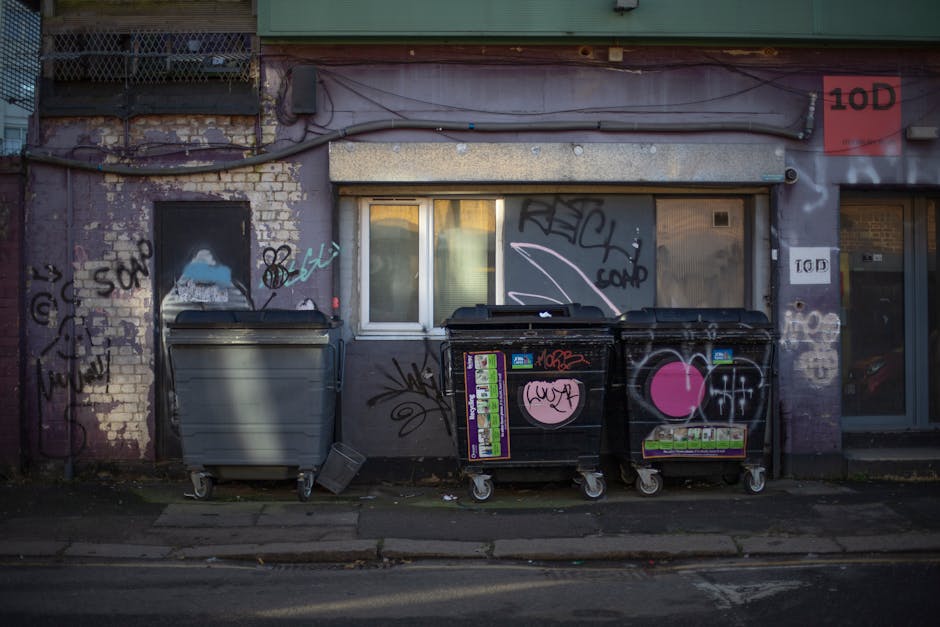
If you live in a flat near Powis Street, you'll know rubbish clearance is rarely as simple as "stick it outside and forget about it". There are stairwells, shared entrances, neighbours to think about, and often very little space to manoeuvre anything bulky. That is exactly why a practical Powis Street Woolwich rubbish clearance guide for flats matters: it helps you clear unwanted items without creating a mess, upsetting the block, or making the job harder than it needs to be.
Whether you are shifting old furniture, bagged household rubbish, broken appliances, or a post-move pile of clutter, the right approach saves time and stress. In this guide, we'll walk through how flat clearance works, what to expect, what to avoid, and how to choose the most sensible option for your situation. Nothing fancy. Just the useful stuff that actually helps.
Why Powis Street Woolwich rubbish clearance guide for flats Matters
Flat clearance is different from house clearance in a few important ways. In a flat, you're usually dealing with shared access, limited parking, communal areas, and tighter time windows. If a load of rubbish is left in the wrong place, it can become a nuisance very quickly. One overflowing bag by the lift can turn into a corridor issue, and nobody wants that. Not you, not your neighbours, not the building manager.
Powis Street and the surrounding Woolwich area tend to have the sort of urban layout where practical planning really pays off. There may be busy roads, loading restrictions, and a steady flow of people moving through the area. That means a rushed approach often leads to delays. A clear plan, on the other hand, keeps the job tidy and efficient.
This guide also matters because rubbish clearance is not just about removing things. It's about sorting items sensibly, handling bulky waste safely, and making sure anything reusable or recyclable goes the right way. That is where a more considered service can be useful. If you need a broader overview of flat clearance options, the flat clearance service page is a helpful place to start.
Practical takeaway: In flats, good clearance is less about brute force and more about coordination, access, and leaving the building exactly as you'd hope to find it yourself.
Table of Contents
- Why Powis Street Woolwich rubbish clearance guide for flats Matters
- How Powis Street Woolwich rubbish clearance guide for flats Works
- Key Benefits and Practical Advantages
- Who This Is For and When It Makes Sense
- Step-by-Step Guidance
- Expert Tips for Better Results
- Common Mistakes to Avoid
- Tools, Resources and Recommendations
- Law, Compliance, Standards, or Best Practice
- Options, Methods, or Comparison Table
- Case Study or Real-World Example
- Practical Checklist
- Conclusion
- Frequently Asked Questions
How Powis Street Woolwich rubbish clearance guide for flats Works
In simple terms, rubbish clearance for flats usually follows a straightforward pattern: assess what needs to go, choose the right removal method, book a suitable time, and get the waste removed with minimal disruption. Sounds easy. Sometimes it is. Sometimes it isn't, especially if you've got awkward furniture or a second-floor walk-up and a narrow staircase that seems designed by someone with a grudge.
Most flat clearances begin with a rough idea of the load. This might be a few bin bags, a broken wardrobe, an old mattress, or a mix of household waste and furniture. A reliable clearance team will usually want to know what you have, how much of it there is, and whether anything needs special handling. That helps them decide what vehicle, labour, and equipment is needed.
For mixed waste, the job often includes some sorting on site. Reusable items can be separated from general rubbish, and recyclable materials can be grouped where possible. If the clearance includes worn-out sofas or mattresses, it's worth checking dedicated disposal options such as mattress and sofa disposal. For appliances, especially bulky or awkward ones, fridge and appliance removal is a more suitable route than just treating everything as ordinary rubbish.
Timing also matters. A flat clearance often works best when access is easiest and there is enough space to carry items out without blocking neighbours. Early mornings can be calmer; late afternoons may be busier. It depends on the building, of course. There's no one-size-fits-all answer.
Key Benefits and Practical Advantages
The real benefit of flat rubbish clearance is not just getting rid of stuff. It is getting your space back without the chaos that can come with doing it yourself. That is a big difference, especially if you are trying to juggle work, family, or a move-out deadline.
- Less lifting and fewer trips: You avoid dragging heavy bags, broken units, and awkward furniture down stairs or through shared hallways.
- Better use of time: One well-planned collection can replace several slow DIY trips to a disposal site.
- Cleaner communal areas: Items are taken away properly instead of sitting in the hallway "for a minute" that somehow becomes three days.
- Safer handling: Heavy, sharp, dusty, or contaminated items are removed with more care.
- More flexible clearance: Mixed loads, furniture, and general flat rubbish can often be taken together.
- Less stress for neighbours: Good clearance keeps disruption down, which is a big win in shared buildings.
There is also a sustainability angle. If the service includes sorting and recycling, you can reduce what ends up as residual waste. For readers who care about that side of things, the site's recycling and sustainability information explains the general approach to greener disposal.
Another quiet advantage: it can make a property easier to prepare for letting, sale, or end-of-tenancy handover. A clean flat always feels larger, brighter, and far less stressful. Funny how that works.
Who This Is For and When It Makes Sense
This kind of rubbish clearance is useful for a wide range of people, not just anyone doing a big move. In real life, it tends to help people who are dealing with a build-up of clutter, replacing furniture, clearing out after a tenancy, or sorting a property that has been left with more than expected.
You might need it if you are:
- moving out of a flat and need the place emptied quickly
- clearing a rental property between tenants
- dealing with old furniture that won't fit in the lift, or maybe never fitted in the lift in the first place
- disposing of damaged appliances, mattresses, or large household items
- handling a post-renovation tidy-up with builders' waste mixed in
- helping a relative downsize and needing a calm, respectful approach
- simply fed up with clutter taking over every corner of a small flat
It also makes sense if you only have limited time. People often underestimate how long flat rubbish can take to deal with when they do it themselves. One bag at a time becomes a dozen trips. A broken cabinet becomes a puzzle. The lift is out of service. The weather turns foul. You get the idea.
For bigger clear-outs that involve whole rooms, you may also want to look at home clearance or house clearance if the job goes beyond a single flat and includes additional areas or contents. If it is mainly furnishings, furniture clearance may be the more focused option.
Step-by-Step Guidance
If you want the job to run smoothly, a bit of preparation goes a long way. You do not need to turn the place upside down. Just a sensible sequence is enough.
- Walk through the flat and list the items. Note bulky furniture, bagged waste, electronics, appliances, and anything fragile or potentially hazardous.
- Separate what can stay. It sounds obvious, but a lot of people only realise too late that they've put useful items in the wrong pile.
- Check access points. Measure doorways if needed, confirm lift access, and think about stair width and parking outside.
- Set aside anything sensitive. Paperwork, valuables, and personal items should be removed before collection day. If documents need secure disposal, confidential shredding is the right type of service to consider.
- Flag special waste early. Items such as chemicals, paint, batteries, or other problematic materials may need separate handling. For that, hazardous waste disposal is the safer route.
- Book a suitable time. Choose a window when access is easiest and disruption is lowest.
- Keep hallways clear on the day. This makes lifting safer and quicker.
- Do a final sweep before the team arrives. You'll often spot one last lamp, basket, or bag that somehow escaped the first round.
That's the basic flow. Simple enough, but it works.
A quick planning note
If you are already organising other removals at the same time, it can be worth combining jobs where appropriate. For example, people often pair flat rubbish clearance with furniture disposal or broader waste removal to keep things efficient.
Expert Tips for Better Results
After enough clearances, a few patterns become very clear. The jobs that run smoothly are usually the ones that were planned a little better than the rest. Not perfectly. Just better.
First, group waste by type. It helps with speed and makes it easier to decide what can be recycled, reused, or disposed of separately. A mixed pile in the middle of a narrow hallway is nobody's friend.
Second, keep the access route clear. In flats, the route matters almost as much as the load itself. If the lift is available, make sure it is usable. If stairs are the only option, remove anything that might trip someone up.
Third, take photos if you are unsure about volume. A quick photo can save a lot of back-and-forth, especially where parking, lift access, or bulky items are involved.
Fourth, be realistic about lifting. Some items look manageable until you're halfway through a doorway with a sofa that has suddenly developed opinions. If it's too heavy, too awkward, or too risky, don't force it.
Fifth, ask about sorting and recycling before collection. This matters if you want a more responsible service. The site's about us page and recycling and sustainability information can help set expectations around the approach.
And one more thing: keep a bin liner or box ready for the last-minute bits. Loose screws, charger cables, random drawer contents, all those little items have a habit of turning up right as the main job is done.
Common Mistakes to Avoid
Flat clearance mistakes are often small ones, but they can create big frustration. The good news is that they're easy to avoid once you know what to look for.
- Leaving everything until the last day: This is the fastest way to make the job stressful.
- Ignoring building access issues: A blocked route, parked car, or dead lift can slow the whole process.
- Mixing special waste with general rubbish: Certain items should not be treated casually.
- Forgetting to separate keep, donate, and clear piles: People often lose useful items in the rush.
- Underestimating the volume: A small stack of bags can hide a surprising amount of waste.
- Not checking what can be taken: It's better to ask early than to make assumptions later.
Another common slip is assuming every bulky item will come out the same way it went in. It won't. Sometimes furniture needs careful turning, sometimes parts need to be detached, and sometimes a door has to come off. That's just how it goes.
If your flat contains items like old appliances or specific furniture pieces, it can help to review the relevant service pages first, such as fridge and appliance removal or mattress and sofa disposal, so there are no surprises on the day.
Tools, Resources and Recommendations
You do not need a van full of gear to organise flat rubbish clearance, but a few simple tools make life easier. A roll of bin bags, packing tape, gloves, and a marker pen are enough for many jobs. If the flat has a lot of mixed contents, storage boxes or sacks can help with sorting.
Useful things to have ready:
- bin liners or rubble sacks for loose waste
- gloves for handling dusty or sharp items
- labels or sticky notes for keep, donate, and remove piles
- a phone camera for quick item photos
- tape or ties for securing loose materials
- basic measurements for furniture that needs to pass through doors
For larger or more complex clear-outs, the most useful resource is often a clear service breakdown. The pages for pricing and quotes and book online can help you understand how to move from "I've got a flat full of stuff" to "right, that's booked".
If you are comparing options, it can also be helpful to look at whether the job overlaps with office clearance, garage clearance, or loft clearance style work. The naming matters less than the actual load. What matters is matching the right service to the job in front of you.
Law, Compliance, Standards, or Best Practice
When clearing waste from flats, the safest approach is to follow normal UK waste-handling best practice: use a responsible carrier, avoid fly-tipping, keep hazardous materials separate, and make sure waste is passed to proper disposal or recycling routes. That sounds plain, but it's the part that protects you from avoidable trouble.
If you're a tenant, leaseholder, or landlord, there may also be building rules to consider. These can cover lift use, loading bay access, contractor arrivals, and the use of communal corridors. It is sensible to check those details before collection day. No drama, just common sense.
There are a few practical standards worth keeping in mind:
- Duty of care: waste should be handled and transferred responsibly.
- Safe access: stairways, hallways, and entrances should remain usable where possible.
- Special waste handling: items that may be hazardous should be identified clearly.
- Respect for shared spaces: flats rely on cooperation; leaving a mess in communal areas causes friction fast.
Service pages such as health and safety policy, insurance and safety, and terms and conditions are useful if you want to understand how a service approaches risk and responsibility. For many customers, that reassurance matters just as much as the price.
Options, Methods, or Comparison Table
There are usually three practical ways to deal with flat rubbish around Powis Street Woolwich: do it yourself, use communal disposal options where permitted, or book a professional clearance. Each has its place.
| Method | Best for | Pros | Drawbacks |
|---|---|---|---|
| DIY trips | Small amounts of bagged waste | Low direct cost, flexible timing | Time-consuming, heavy lifting, parking and transport hassle |
| Communal or building disposal | Very small everyday waste, if allowed | Convenient for routine items | Not suitable for bulk, can upset neighbours, may breach building rules |
| Professional flat clearance | Bulky items, mixed waste, urgent clear-outs | Fast, safer, less disruption, better for larger loads | Usually costs more than doing it yourself |
For most flat clear-outs involving furniture or mixed rubbish, professional removal is often the most balanced choice. It reduces lifting, shortens the job, and avoids the classic "I'll do it over three weekends" trap. We've all seen how that story ends.
If the waste is mainly household items, home clearance can be a useful broader comparison. If the job is mostly objects you no longer want, furniture clearance may be more suitable.
Case Study or Real-World Example
Here's a straightforward example. A resident in a Woolwich flat had a mix of old bedroom furniture, broken storage boxes, several bin bags, and a fridge that had stopped working. The flat was on an upper floor, the lift was small, and the hallway already felt narrow before any items were moved. A classic awkward one.
Instead of trying to move everything in bits over a few evenings, they grouped the items in advance, cleared the access route, separated personal papers and keep items, and booked a collection suited to mixed flat waste. The fridge and bulky items were handled as part of the broader job, and the lighter rubbish was removed at the same time.
The biggest difference was not the speed, though that mattered. It was the relief. The flat looked bigger straight after. The hallway was clear. No one had to hover around with bags for days. And the resident, quite rightly, said the whole thing had been much less painful than expected.
That's the real value of a good Powis Street Woolwich rubbish clearance guide for flats: fewer surprises, fewer trips, and a cleaner finish. Simple, but not always easy to achieve without a plan.
Practical Checklist
Use this quick checklist before your flat clearance day:
- Identify everything that needs removing
- Separate keep, donate, recycle, and remove piles
- Check building access, parking, and lift use
- Remove valuables, documents, and personal items
- Flag any hazardous or unusual items early
- Measure bulky furniture if tight doorways are involved
- Choose a sensible collection time
- Clear hallways and entrance routes
- Ask about what can and cannot be taken
- Confirm payment, access, and contact details
- Keep one final bag or box for stray bits and pieces
Expert summary: If you prepare the access, sort the load, and know which items need special handling, flat rubbish clearance becomes far more manageable. Most headaches come from rushing the prep, not from the clearance itself.
Conclusion
Clearing rubbish from flats near Powis Street Woolwich is mainly about doing things in the right order. Identify the waste, protect the shared spaces, choose the right disposal route, and keep the process calm and practical. That's the heart of it. Not glamorous, but very effective.
Whether you are clearing a single room, dealing with a full flat, or trying to sort bulky items without upsetting a busy building, the best result usually comes from a clear plan and the right kind of help. If you want to explore service details further, pages like pricing and quotes, book online, and contact us can help you take the next step with less guesswork.
Get a free quote today and see how much you can save.
And if all you want is to get the flat back to a tidy, breathable state, fair enough. That feeling when the last bag is gone and the place finally feels quiet again? Worth it.
Frequently Asked Questions
What does a Powis Street Woolwich rubbish clearance guide for flats actually cover?
It covers the practical side of removing rubbish, bulky waste, furniture, and mixed flat contents from apartments or flats near Powis Street in Woolwich. The focus is on access, sorting, safe removal, and avoiding disruption in shared buildings.
Can I leave rubbish in the communal hallway before collection?
Usually, you should avoid leaving items in communal areas unless it has been clearly agreed and is allowed by the building. Shared hallways need to stay clear for safety and access, so it is better to keep waste inside until the collection time.
What if I have furniture as well as general rubbish?
That is very common. Furniture can often be cleared alongside mixed waste, though large items may need special handling. If most of the job is furniture-based, a dedicated furniture clearance option is often the neatest fit.
Do I need to sort recycling before the collection?
It helps, but you do not always need to do all the sorting yourself. A good clearance service will usually separate reusable and recyclable materials where possible. Still, if you can split items in advance, it makes the job smoother.
How do I know if an item counts as hazardous waste?
If an item contains chemicals, oils, strong cleaning agents, batteries, or anything that could leak or cause harm, treat it cautiously. When in doubt, ask before collection. Hazardous waste should be handled separately and never mixed in casually with general rubbish.
Is flat rubbish clearance better than doing it myself?
For small bagged waste, DIY can work. But for bulky items, multiple bags, heavy lifting, or awkward access, a professional clearance is often safer and less stressful. It's not just about cost; it's about effort, time, and avoiding damage.
How long does a flat clearance usually take?
It depends on the amount of waste, access, and whether bulky items need dismantling. A small flat clearance can be relatively quick, while a fuller property with stairs, tight access, or mixed materials will naturally take longer.
What should I remove before the clearance team arrives?
Take out valuables, cash, passports, personal documents, sentimental items, and anything you definitely want to keep. It also helps to remove loose clutter from drawers and cupboards before the team starts lifting.
Can appliances like fridges or freezers be removed with the rest of the rubbish?
They often can be removed as part of the overall job, but appliances may need specific handling. Fridges and similar items are best dealt with through an appliance removal route so they are processed correctly.
What if I live on an upper floor with no lift?
That is fine, but it should be mentioned early because it affects planning, labour, and timing. Upper-floor access usually means extra care with lifting and moving, especially for heavy or bulky items.
How can I avoid upsetting neighbours during the clearance?
Keep access routes clear, choose a sensible collection time, and avoid leaving rubbish in shared spaces. A quick heads-up to neighbours can also help, especially if stairs or parking may be affected for a short period.
Where can I find more information about booking or pricing?
You can review the pricing and quotes page for general guidance and use book online if you are ready to arrange the job. If you have unusual items, it is better to ask first than guess.