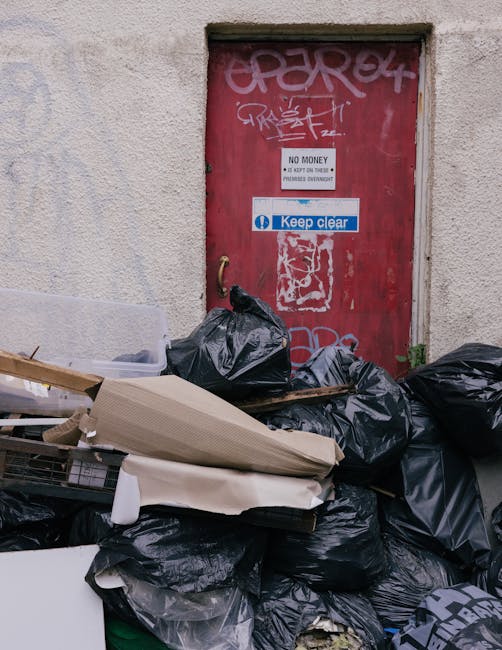
Avoid delays when booking emergency rubbish removal in Woolwich

When rubbish needs clearing fast, the last thing you want is a slow reply, a vague quote, or a crew turning up without the right plan. If you are trying to avoid delays when booking emergency rubbish removal in Woolwich, the trick is usually not luck. It is preparation, clear information, and choosing the right kind of service from the start.
In Woolwich, emergency clearances often happen on a tight timetable: a landlord needs a property ready for viewings, a shop has packaging piling up, or a householder has a broken appliance and a hallway blocked by bulky waste. Whatever the reason, speed matters. This guide explains how urgent rubbish removal works, where delays usually come from, and what you can do to get a quicker, smoother booking without the usual back-and-forth.
There is a bit of common sense involved, of course. But there are also a few details people miss, and those little details can cost you hours. Let's get into it.
Why Avoid delays when booking emergency rubbish removal in Woolwich Matters
Delays in an emergency clearance are not just annoying. They can become expensive, stressful, and in some cases unsafe. A blocked entrance, a room full of waste after a rushed move, or builders' rubble left where people need to walk can quickly turn into a bigger issue than the rubbish itself.
In a busy part of south-east London like Woolwich, timing matters because access windows can be short. A landlord may only have a small slot between tenants. A business might need a clearance before trading starts the next morning. A family may need a rapid house clearance after a difficult event and simply cannot live around bags, broken furniture, and half-filled boxes.
There is another side to it too. The faster you can book the right service, the less likely you are to start improvising. And improvising with waste removal is where people run into trouble: hiring the wrong vehicle, misjudging load size, mixing items that need separate handling, or leaving everything until the last minute and paying for it in stress.
Quick takeaway: the best way to avoid delays is to give the removal team a clean, accurate picture of the job before they arrive. Not a rosy version. The real one.
If your clearance is part of a bigger property project, it also helps to look at the wider job in context. For example, builders' debris often overlaps with household junk, while a flat clearance can include bulky items, general waste, and furniture disposal all in one go. Relevant pages such as builders waste clearance, flat clearance, and furniture disposal can help you think through the type of load before you book.
How Avoid delays when booking emergency rubbish removal in Woolwich Works
Emergency rubbish removal is usually straightforward, but the speed comes from the way information flows. You explain what needs clearing, the team assesses the job, and a collection time is arranged based on access, load size, and waste type. Simple enough, but the steps need to happen in the right order.
Most delays start when the booking request is too vague. "I need some rubbish gone" sounds harmless, yet it leaves out the details that help a team quote and schedule correctly. Is it mostly bagged waste? Heavy furniture? Garden cuttings? A fridge in the kitchen? A few items may be fine; a van full of mixed waste is a different story.
That is why good urgent booking usually depends on a few practical points:
- what needs removing
- rough quantity or volume
- where the waste is located
- how easy it is to access
- whether anything is hazardous, sharp, or unusually heavy
Once those pieces are clear, the team can often work out whether the job needs one person or two, what vehicle size makes sense, and whether any special handling is needed. That is how booking time gets cut down.
If you are dealing with items that need special care, such as appliances or potentially risky waste, it is sensible to mention that immediately. Pages like fridge and appliance removal and hazardous waste disposal are useful reference points for understanding why certain items need more planning.
The actual booking process can be fast when the basics are ready. In a lot of cases, the delay is not caused by the removal team at all. It is the missing information, the difficult access, or a surprise item that changes the job at the last minute. Honestly, that happens more than people think.
Key Benefits and Practical Advantages
When you book well, emergency rubbish removal feels calm instead of chaotic. That is the main benefit. But there are some practical advantages that matter just as much.
- Faster turnaround: clear information leads to faster scheduling and fewer follow-up questions.
- Less disruption: waste is removed before it spreads into hallways, entrances, or shared spaces.
- Better cost control: accurate details help avoid avoidable amendments on the day.
- Safer conditions: sharp, heavy, or unstable items are handled sooner rather than left sitting around.
- Less stress: once a slot is confirmed, you can stop juggling the problem in your head all day.
There is also a planning advantage people forget. Emergency jobs often reveal other clearance needs. A "quick rubbish removal" can uncover a loft full of old household items, a garage that needs sorting, or an office storage room that has turned into a dumping ground. In those cases, a broader service may be more efficient than repeated one-off visits. That is where options like loft clearance, garage clearance, and office clearance can become relevant.
Expert summary: the fastest bookings usually come from people who know what they have, where it is, and whether anything awkward is involved. It sounds basic, but it saves time every single day.
Who This Is For and When It Makes Sense
This kind of urgent booking is not only for dramatic last-minute disasters. In practice, it helps a fairly wide range of people.
Typical situations where speed matters
- Homeowners and tenants dealing with bulky waste after a move, a clear-out, or a repair.
- Landlords and letting agents who need a property emptied quickly between tenancies.
- Builders and tradespeople with rubble, packaging, and leftover materials blocking a job.
- Businesses clearing stockroom waste, office furniture, or redundant equipment.
- Families managing a difficult house clearance where time and energy are both limited.
It also makes sense when waste is affecting access. A stairwell full of bags, a driveway blocked by old furniture, or a garden piled with cuttings after a storm can all become a practical headache rather quickly. In those moments, people do not need a lecture. They need the job gone.
Truth be told, if you are hesitating because the job feels messy or embarrassing, that is normal. Teams that do this work see every kind of clearance, from neat and simple to very much not neat. The important part is giving enough detail so the booking can happen cleanly.
For property-wide clearances, services like home clearance and house clearance are often a better fit than trying to piece together several smaller collections. It depends on the volume, but the right match usually saves time.
Step-by-Step Guidance
If you want to reduce delay, follow a simple process. Nothing fancy. Just a tidy sequence that gives the team what they need quickly.
- List the waste clearly. Write down what is going, including bulky items, bags, appliances, or rubble.
- Separate anything unusual. Put aside anything sharp, heavy, wet, broken, or potentially hazardous.
- Take a quick look at access. Can a vehicle park close by? Are there stairs, narrow corridors, locked gates, or loading restrictions?
- Estimate the size of the job. A few bags is very different from a roomful of mixed items. A rough estimate is enough.
- Gather photos if possible. A couple of clear pictures can save a lot of explaining.
- Ask about timing upfront. If you need same-day or urgent help, say so at the start, not as an afterthought.
- Confirm what happens next. Know the expected arrival window, the payment method, and any preparation needed before the team arrives.
A small but useful point: keep the waste grouped together where it is safe to do so. Even shifting items into one corner can make the job faster on arrival. You do not need to become a professional organiser. Just avoid making the crew hunt through three rooms for one pile of rubbish. That sort of thing eats time.
If you are not sure what can be taken in one go, a general waste service can help frame the job. You may also find waste removal a useful starting point when the load is mixed and you want a broad, practical approach.
Expert Tips for Better Results
These are the small things that make a real difference, especially when time is tight.
- Be specific, not poetic. "Old sofa, two mattresses, seven bin bags, and a broken cabinet" is useful. "A bit of clutter" is not.
- Mention awkward access early. Basement flats, top-floor walk-ups, shared entrances, and restricted parking all matter.
- Keep one person in charge of the booking. Too many messages from different people can slow everything down. One contact. One decision-maker.
- Flag restricted items immediately. Appliances, confidential paperwork, and anything potentially hazardous should be mentioned before the visit.
- Prepare payment and paperwork in advance. It avoids the last-minute rummaging for cards, emails, or confirmation details.
A neat little trick: if you are sending photos, make one image wide enough to show the full pile and one close-up of the awkward items. That combination tells a much better story than ten blurry pictures taken in a rush at 8:14 in the morning. We have all seen those photos. They are, how to put it, not exactly a joy to interpret.
For workplaces, it is also sensible to think about timing around trading hours. An office that wants clearance before opening time or after staff leave can often avoid interruption if the details are agreed early. In that scenario, business waste removal and office clearance may be more suitable than a general booking.
Common Mistakes to Avoid
Most booking delays come from a few repeatable mistakes. Once you know them, they are fairly easy to avoid.
- Leaving the booking until the last possible minute. Emergency does not mean "no information needed."
- Underestimating the amount of waste. A job that sounds small can turn into a bigger vehicle or extra labour once everything is visible.
- Forgetting about access constraints. Parking, stairs, lifts, loading bays, and locked doors can all affect timing.
- Mixing ordinary rubbish with specialist items. That can complicate the collection and slow down the quote.
- Assuming every bulky item is handled the same way. A sofa, a mattress, and a fridge are not identical jobs.
- Not checking what is included. Clarify the scope so you do not end up renegotiating at the kerbside.
One of the most frustrating delays is the "I thought that was included" moment. It happens a lot. A person mentions boxes and furniture, then the team arrives and finds a fridge in the corner, soaked garden waste in the shed, or a pile of builder's rubble in the yard. The solution is simple enough: name the whole job upfront, even the awkward bits.
There is also the old habit of assuming every clearance can wait until after lunch. Sometimes it can. Often it cannot. If the waste is blocking access, creating a smell, or making a site unsafe, same-day planning becomes the sensible move.
Tools, Resources and Recommendations
You do not need specialist software or a long checklist folder. Still, a few simple tools make emergency booking much smoother.
- Phone camera: clear photos are still the easiest way to explain the job quickly.
- Notes app: jot down item types, access details, and any restrictions before you ring.
- Basic measuring tape: useful if you are unsure whether a large item will need more space or a second pair of hands.
- Building or property access details: gate codes, floor numbers, loading points, and parking limitations all help.
- Service pages for guidance: if you are clearing a specific type of waste, it helps to compare the job with dedicated services like furniture clearance, mattress and sofa disposal, or garden clearance.
For those worried about what goes where, especially when a job could otherwise be split across multiple visits, a clear explanation of accepted load types is valuable. If you are planning a mixed clearance and need a simple comparison point, what can go in a skip can be a helpful reference for thinking about what counts as straightforward general waste versus something more specialised.
It also helps to check practical matters before booking, such as payment expectations and how the company handles your information. Those are not exciting questions, but they stop silly surprises later. A little boring up front is good. Boring is efficient.
Law, Compliance and Best Practice
Emergency rubbish removal still needs to be handled responsibly. In the UK, waste has to be managed in line with accepted duty-of-care principles, and different waste types may need different handling. You do not need to become a compliance expert, but you should work with a provider that treats waste properly and gives clear information about the service.
Good practice usually includes:
- sorting waste sensibly where possible
- keeping hazardous items separate
- handling electricals and appliances with care
- respecting property access and safety rules
- using appropriate vehicles and safe lifting methods
That last point matters more than people realise. A rushed job should not mean a careless job. If a team is lifting bulky furniture down narrow stairs or moving heavy bags through shared areas, the method needs to be safe as well as quick. You want the rubbish gone, yes, but not at the cost of damage, injury, or avoidable hassle.
If you are dealing with items that may involve personal data or privacy concerns, such as papers from an office or documents from a house move, it is wise to ask about secure handling. A related service such as confidential shredding can be relevant where paper waste is part of the picture.
For the clearest reassurance, look for service information that explains insurance, safety, payment security, and complaint handling in plain English. Useful pages include health and safety policy, insurance and safety, and payment and security. That is not just box-ticking. It shows the business thinks beyond the van arriving at the kerb.
Options, Methods, or Comparison Table
When you need rubbish gone quickly, there are a few common ways people try to solve it. Some are fine for simple jobs. Others are better when speed, access, and mixed waste all matter.
| Method | Best for | Speed | Typical challenge |
|---|---|---|---|
| Emergency rubbish removal | Urgent, mixed, bulky, or access-sensitive jobs | Usually fastest once details are clear | Needs accurate information upfront |
| Skip hire | Longer jobs with steady waste output | Fast to arrange, but less flexible on collection day | Space, permits, and loading rules can slow things down |
| Self-loading and tip run | Small, manageable loads | Depends on your own time and transport | Can become a full-day task, especially with bulky items |
| Phased clearance | Large properties or ongoing projects | Slower overall | Good for planning, not ideal for urgent blockages |
In real life, the best option depends on what is actually in front of you. A single sofa and a few bags may be a quick collection. A damp garden pile, broken shelving, and a fridge in a tight hallway are a different beast. If you are in between options, a direct clearance service is often easier than trying to force the job into a skip-shaped box. Not every job wants to be a skip job, if that makes sense.
Case Study or Real-World Example
Picture a Friday afternoon in Woolwich. A property manager gets a call from a tenant who has moved out, leaving behind a mix of bagged waste, a wardrobe, a mattress, and a small appliance in the flat. The handover is supposed to happen the following morning. There is not much wiggle room.
Instead of sending a vague message, the property manager notes the items, takes two photos, checks that the stairwell is clear, and confirms parking access at the front. They also mention that one item is an appliance and that the flat is on the second floor. That extra minute of detail saves a lot of time.
The result? The team can assess the job quickly, allocate the right vehicle, and arrive with a plan instead of a guessing game. No circling back. No awkward surprises. The clearance happens, the flat is ready, and the handover goes ahead without that horrible last-minute scramble that makes everyone speak a bit too quickly.
If the same job had been booked as "some rubbish in a flat," it would almost certainly have taken longer. More questions. More waiting. Maybe even a missed slot. The difference is not dramatic on paper, but in practice it is the difference between a smooth morning and a stressful one.
Practical Checklist
Use this checklist before you book. It is simple, but it works.
- Have you written down exactly what needs removing?
- Do you know whether there are bulky, heavy, or awkward items?
- Have you checked for anything hazardous or restricted?
- Is access clear for the crew and vehicle?
- Do you know which floor or room the waste is in?
- Have you taken a couple of photos?
- Have you confirmed any parking or loading restrictions?
- Do you need same-day or next-day collection?
- Have you chosen the most relevant service type?
- Are you ready to confirm the booking details promptly?
Helpful reminder: the better the first message, the faster the booking usually moves. Simple as that.
Conclusion
To avoid delays when booking emergency rubbish removal in Woolwich, focus on clarity, access, and timing. Tell the team what needs removing, how much there is, where it is, and anything that might affect the job. That one habit does more to speed things up than almost anything else.
Urgent waste issues are rarely tidy. A blocked hallway, a cluttered flat, or a messy yard can make a day feel much heavier than it should. But with the right information shared early, the process becomes a lot less stressful and a lot more manageable. And that is really the goal: quick action, fewer surprises, and a clean finish you can breathe out over.
Get a free quote today and see how much you can save.
When the pressure is on, a well-planned clearance is one of those small wins that quietly makes everything else easier. And sometimes that is exactly what you need.
Frequently Asked Questions
How can I speed up an emergency rubbish removal booking in Woolwich?
Give a clear description of the waste, share photos if you can, mention access issues, and say upfront if you need same-day collection. The more precise the first message, the less back-and-forth there usually is.
What information do I need before I book?
At minimum, note the type of waste, approximate quantity, item size, location, and whether anything is awkward or hazardous. That helps the team schedule the job properly.
Can bulky items be collected urgently?
Yes, bulky items such as sofas, mattresses, wardrobes, and appliances are often handled as part of urgent clearances. The key is to mention them before the visit so the right setup is arranged.
What causes the most delays with urgent rubbish removal?
Usually it is vague information, poor access, unexpected item types, or late changes to the job. A lot of delays are avoidable once the full picture is shared.
Is same-day rubbish removal always possible?
Not always. It depends on timing, workload, access, and the type of waste. If same-day service matters, ask early rather than assuming it can be squeezed in.
Do I need to sort my rubbish before the crew arrives?
Not necessarily, but grouping the waste together and separating out anything unusual can save time. You do not need perfection. Just a bit of order helps.
What if I have mixed waste and furniture together?
That is common. Mixed loads can usually be handled, but they are easier to book when you describe both parts clearly. Furniture, bagged waste, and builder-type waste may affect how the job is planned.
How do I know if my waste needs special handling?
If it includes appliances, sharp materials, liquids, confidential papers, or anything you would not want handled casually, mention it. When in doubt, ask before the booking is confirmed.
Is emergency rubbish removal suitable for landlords and agents?
Yes, very much so. It is often useful between tenancies, after abandoned clear-outs, or when a property needs to be ready quickly for inspection or handover.
What should I do if access is awkward?
Be honest about it. Mention stairs, narrow hallways, parking restrictions, gated access, or loading limits. That helps avoid surprises on arrival and can prevent delays.
Can I book rubbish removal for a business premises?
Yes. Offices, shops, storage areas, and other commercial spaces often need urgent clearances too. Business jobs work best when opening hours, access, and item types are explained clearly.
Where can I learn more about related clearance services?
If your job involves a specific type of waste, it can help to look at related pages such as house clearance, flat clearance, builders waste clearance, or recycling and sustainability to understand the most suitable approach.